Festivals

aadi velli 01

Aadi Festival

The Aadi Festival is one of the most spiritually significant and widely observed celebrations in Dindigul, dedicated mainly to Amman (Goddess) temples. Celebrated during the Tamil month of Aadi (July–August), the festival is closely associated with rain, fertility, protection, and prosperity. In Dindigul, Aadi holds special importance because of its strong connection to agriculture and village traditions. Throughout the month, Aadi Fridays are considered highly auspicious. Women visit Amman temples in large numbers, offering flowers, lemons, coconuts, turmeric, and neem leaves. Special poojas and abhishekams are performed, and devotees pray for family well-being, good health, timely rainfall, and prosperity. Many women observe fasting and vows (viratham) as a sign of devotion and gratitude to the goddess. Temples across Dindigul are beautifully decorated during Aadi with lamps, flowers, and traditional festoons. The atmosphere becomes deeply devotional, with continuous chanting, devotional songs, and temple bells creating a sense of divine energy. In some temples, processions of the goddess are carried through the streets, allowing devotees to receive blessings close to their homes. A significant part of the Aadi Festival is Aadi Perukku, celebrated on the 18th day of the month, marking the rise of water levels in rivers and reservoirs. This ritual symbolizes gratitude toward water sources and nature, emphasizing the importance of water for farming and life. Families gather near water bodies to offer prayers and seek blessings for abundance. Community participation plays a major role during Aadi in Dindigul. Annadhanam (free food distribution), charity, and collective worship reflect the values of compassion and unity. Folk traditions, village rituals, and local customs associated with Amman worship are kept alive through these celebrations. In Dindigul, the Aadi Festival is more than a religious observance—it is a powerful expression of faith, respect for nature, and cultural continuity. It strengthens community bonds, honors feminine divine energy, and preserves age-old traditions, making Aadi one of the most deeply rooted festivals in the region.

Aadi Festival Read More »

10216 9 5 2025 19 51 5 1 09 05 2025 chithirai car

Chithirai Festival

The Chithirai Festival is one of the most vibrant and culturally rich temple festivals celebrated in Dindigul, marking the beginning of the Tamil New Year season and symbolizing renewal, prosperity, and divine blessings. Celebrated during the Tamil month of Chithirai (April–May), this festival holds great importance in Dindigul’s temples and villages, where tradition, devotion, and community spirit come together. The festival is primarily associated with temple celebrations and annual Brahmotsavams, during which deities are worshipped through special poojas, abhishekams, and alangarams. Temples in and around Dindigul are beautifully decorated with flowers, lights, and traditional festoons, creating a festive and sacred atmosphere. A major highlight of the Chithirai Festival in Dindigul is the grand temple procession. Deities are taken through the streets on decorated vahanams and, in many temples, on magnificent ther (temple chariots). Devotees gather in large numbers to pull the chariots, chant devotional hymns, and seek blessings, believing that witnessing the procession brings prosperity and peace. Cultural and spiritual activities form an integral part of the celebrations. Traditional music, folk dances, devotional songs, and classical performances are organized in temple premises and public spaces. These programs help preserve Tamil heritage and pass cultural values to younger generations. Community bonding is at the heart of the Chithirai Festival. Families visit temples together, offer prayers for health and success, and participate in Annadhanam (free food distribution), which reflects the spirit of sharing and equality. Markets and streets around temples become lively with festival stalls, flowers, and offerings. In Dindigul, the Chithirai Festival is not just a religious observance but a celebration of Tamil culture, faith, and unity. It signifies new beginnings, strengthens community ties, and keeps ancient traditions alive, making it one of the most cherished festivals of the region.

Chithirai Festival Read More »

gemini generated image sfy2dwsfy2dwsfy2

Mariamman Temple Festival

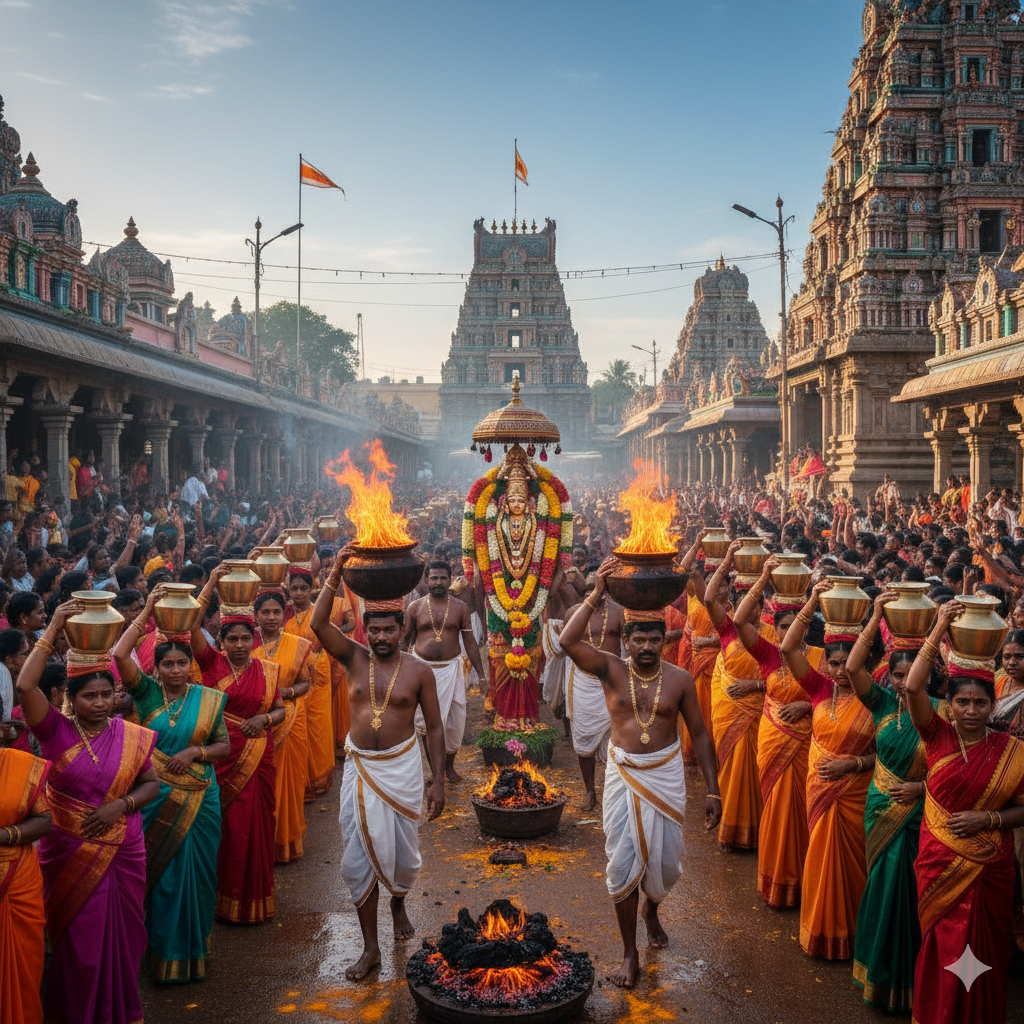
The Mariamman Temple Festival is one of the most powerful and emotionally significant festivals celebrated in Dindigul, deeply rooted in rural faith, tradition, and community life. Dedicated to Goddess Mariamman, the deity associated with rain, health, fertility, and protection from diseases, this festival is observed with immense devotion in Dindigul town and surrounding villages, usually during the Tamil months of Chithirai, Vaikasi, or Aadi. The festival typically spans several days, during which the entire village or locality comes together in worship. Homes and temple premises are cleaned and decorated, and special poojas are performed daily. Devotees observe fasting, abstinence, and vows (viratham) as a mark of surrender and gratitude to the goddess, believing that Mariamman listens closely to sincere prayers. One of the most striking features of the Mariamman Temple Festival in Dindigul is the Theemithi (fire-walking) ritual. Devotees walk barefoot across burning embers, guided purely by faith and devotion. This ritual symbolizes purification, courage, and divine protection, and is believed to fulfill prayers related to health, family well-being, and relief from long-standing problems. Another important ritual is the Karagam procession, where devotees carry decorated pots on their heads, often filled with sacred water, flowers, or neem leaves. These processions move through village streets accompanied by traditional drums, folk songs, and dances, creating a vibrant and spiritual atmosphere. The presence of neem leaves, turmeric, and red flowers reflects ancient healing traditions associated with the goddess. Throughout the festival, Annadhanam (free food distribution) is offered to devotees and visitors, emphasizing values of compassion, equality, and community service. Cultural performances, folk arts, and night-long rituals further strengthen social unity and preserve local heritage. In Dindigul, the Mariamman Temple Festival is more than a religious event—it is a collective expression of faith, resilience, and gratitude toward nature. It reflects the strong bond between people and the land, reminding generations of the power of belief, tradition, and communal harmony

Mariamman Temple Festival Read More »

dlou0bxc 1610614912836 1610614918270 1673590410210 1673590410210

Pongal

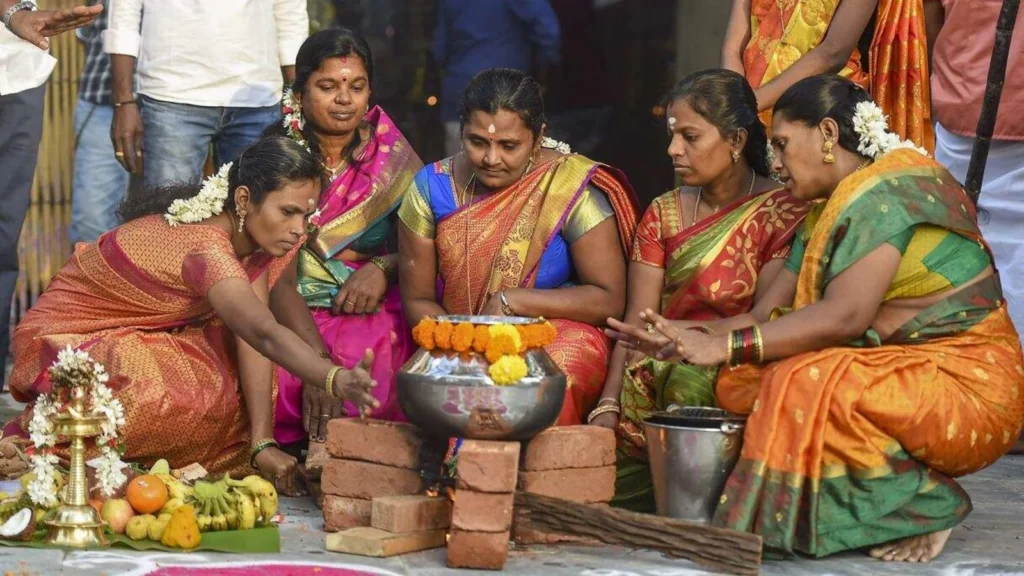
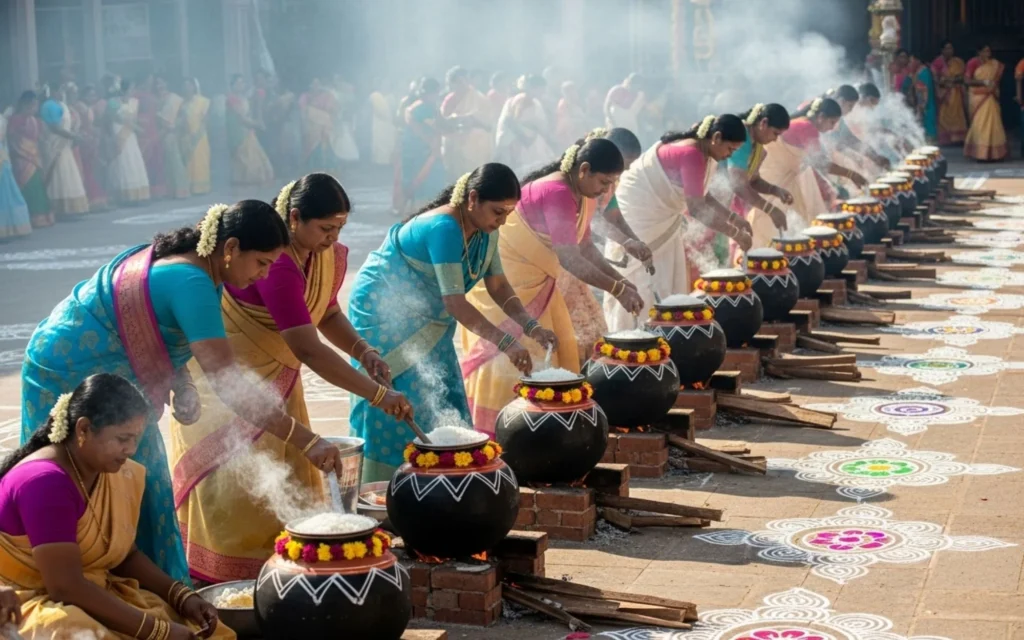
Pongal is the most important and joy-filled festival celebrated in Dindigul, deeply rooted in agriculture, gratitude, and Tamil culture. Celebrated during the Tamil month of Thai (mid-January), Pongal marks the harvest season and is a thanksgiving festival dedicated to the Sun God (Surya), nature, farmers, and cattle. In Dindigul, where farming and rural traditions play a vital role, Pongal is celebrated with great enthusiasm in both towns and villages. The festival spans four days, each carrying its own significance.The first day, Bhogi, is observed by cleaning homes, discarding old belongings, and welcoming new beginnings. Houses in Dindigul are decorated with fresh paint, mango leaves, and colorful kolams, creating a festive atmosphere across streets and neighborhoods. The second and main day, Thai Pongal, is celebrated early in the morning. Families cook the traditional Pongal dish—a sweet preparation of freshly harvested rice, jaggery, milk, and ghee—usually outdoors in clay pots. As the milk overflows, people chant “Pongalo Pongal”, symbolizing abundance and prosperity. Special prayers are offered to the Sun God, thanking nature for a successful harvest. The third day, Mattu Pongal, holds special importance in Dindigul’s rural regions. Cattle are bathed, decorated with flowers, bells, and painted horns, and worshipped for their role in agriculture. Villages organize cattle parades, folk music, and traditional games, reflecting the strong bond between farmers and their livestock. The final day, Kaanum Pongal, is a day of joy and togetherness. Families visit relatives, temples, parks, and nearby scenic spots. In Dindigul, people often gather in open areas, share food, and celebrate with friends, strengthening social and family bonds. Overall, Pongal in Dindigul is not just a festival but a celebration of life, nature, unity, and Tamil heritage. It reflects gratitude toward the earth, respect for farmers, and the spirit of togetherness, making it one of the most culturally significant festivals of the region.

Pongal Read More »

f1

Thaipusam

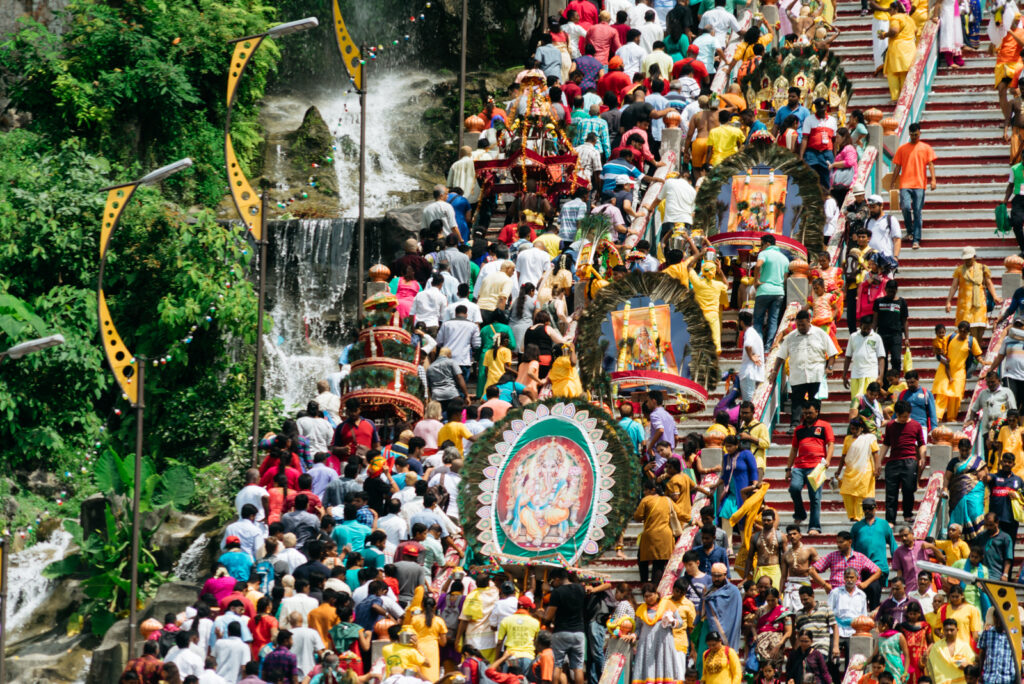
Thaipusam is one of the most sacred and spiritually intense festivals celebrated in Dindigul, dedicated to Lord Murugan, the god of valor, wisdom, and devotion. Observed during the Tamil month of Thai (January–February), the festival commemorates the divine moment when Goddess Parvati bestowed the Vel (sacred spear) upon Murugan to defeat evil forces, symbolizing the triumph of good over darkness. In Dindigul, Thaipusam is marked by deep devotion, strict vows, and powerful rituals. Devotees begin preparations days in advance by observing fasting, celibacy, and spiritual discipline. Many walk long distances barefoot to Murugan temples, chanting hymns and Murugan slogans, expressing gratitude or seeking blessings for health, prosperity, and relief from hardships. A major highlight of Thaipusam is the Kavadi Attam, where devotees carry ornately decorated structures called Kavadi on their shoulders. Some offer Paal Kudam (pots of milk), while others perform acts of extreme devotion such as body piercing with small spears or hooks, all done in a trance-like state of faith. These rituals are believed to cleanse the soul and strengthen spiritual resolve. Murugan temples across Dindigul witness grand processions, special abhishekams, rhythmic drum beats, devotional songs, and a sea of devotees dressed in saffron and yellow. The atmosphere is charged with emotion, unity, and spiritual energy, drawing people from nearby villages and towns. Beyond ritual, Thaipusam in Dindigul represents community bonding and cultural heritage. Free food offerings (Annadhanam), voluntary service, and collective prayer highlight the values of compassion and selflessness. The festival stands as a powerful reminder of faith, endurance, and surrender, making Thaipusam one of the most spiritually significant celebrations in the region.

Thaipusam Read More »

dindigul

Dindigul is a historic Tamil Nadu city known for its iconic locks, flavorful biryani, and rich cultural heritage.

Quick Links

Address

Dindigul City, Dindigul District, Tamil Nadu – 624001.
8897965113
9398441197

Copyright © 2025 Dindigul| Powered By Splenden

Scroll to Top